


Game Maps IRL
4.4853.00 Reviews
App Specs
- Version
- 2.2
- Updated On
- License
- Free
- Downloads
- 100,000+
- Developer
- Retry Apps
- Categories
- Maps & Navigation
- Platform
- Android
Screenshots

 Analysis by AppCompare
I judge a location-based app by what it adds to an ordinary outing, not by how exciting its premise sounds on a store page. Game Maps IRL aims to turn nearby surroundings into a reason to explore, blending map-based play with getting out into the real world. That idea can make a familiar walk feel less routine, though it works best when you treat it as an optional layer of entertainment rather than a replacement for practical navigation.
Where the app stands today
QuikDev’s free Maps & Navigation app has reached version 1.5, and its focus is easy to understand: bring game-like map experiences into everyday places. The app has an average rating of 4.4 from around 49,000 ratings, with over 100,000 installs. Those figures suggest it has found an audience, but they do not tell me whether its style will suit every player. The important question is whether you enjoy exploring with a playful prompt in mind.
I can see the appeal for someone who already walks around their neighborhood, visits new districts, or wants a low-pressure activity to share with friends. Instead of planning a full day around a game, you can make a regular trip feel more purposeful. For example, on an afternoon when I had time to walk but no particular destination, I could use the app as a nudge to choose a different route and pay closer attention to the places I usually pass without noticing.
That kind of use is different from relying on a conventional navigation app. A standard map is the better choice when the priority is reaching an address efficiently, checking a route, or keeping a journey straightforward. Game Maps IRL is more appealing when the journey itself is part of the fun. I would keep a familiar navigation option available for time-sensitive travel and use this one to add play to an outing, rather than asking it to do both jobs equally well.
The Concept: Bringing Games to Life
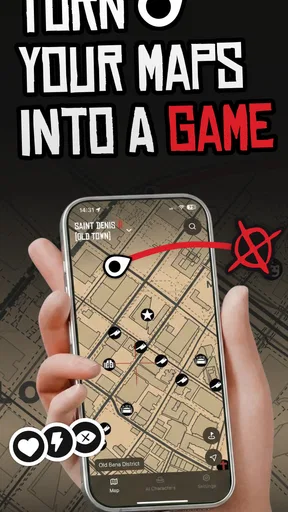
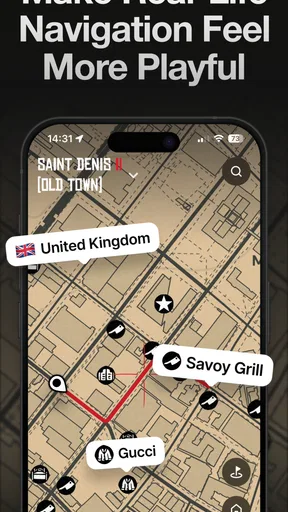
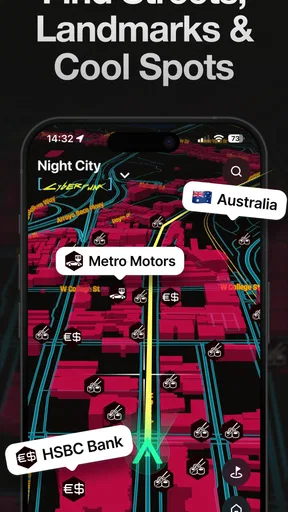
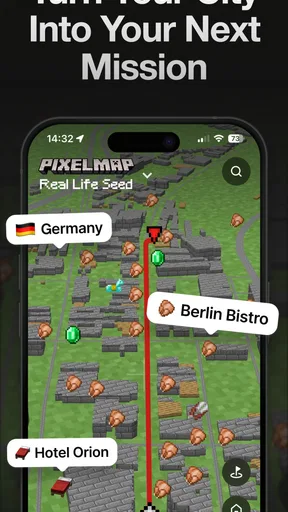
Imagine your favorite video game worlds seamlessly integrated into your everyday surroundings. Game Maps IRL does exactly that by overlaying interactive game maps onto real-world locations. When I first fired up the app, I was immediately intrigued by the way it transformed my mundane neighborhood into a vibrant game board. It's like having a treasure map that only you can see!
The app uses your phone's GPS to track your location and offers various quests, challenges, and rewards based on your movements. It's a clever way to get people off the couch and into the great outdoors, all while maintaining the fun and engagement of a video game.
Features That Stand Out
One of the standout features of Game Maps IRL is its variety of game modes. Whether you're in the mood for a solo adventure or want to compete against friends, there's something for everyone. I personally enjoyed the "Mystery Quest" mode, where you solve puzzles related to your surroundings. It's a perfect mix of brain-teasing and adventure.
Worth Reading Before You Choose

EA SPORTS FC Mobile 26 Is a Bigger Football Game, but It Takes Time

Flipboard Shows What News Apps Must Do Beyond the Feed

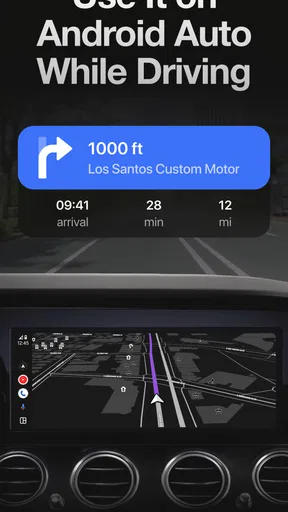
Switching to Android Auto Means Rethinking Your Driving Routine

Google Calendar Makes a Crowded Week Easier to Manage

Ludo King Makes the Most of the Minutes Between Plans

Baby Panda World Brings Quick Play to Modern Phones, but Its Game Library Feels Busy
Another feature that caught my attention is the app's dynamic events. These events are time-sensitive and location-specific, adding an element of urgency and excitement. I once stumbled upon a "Dragon Hunt" event while out for a walk, and it turned a simple stroll into an epic quest to capture rare digital creatures.
Making a session fit a real day
The best way to approach a location-based game is to let it fit around a route you already consider sensible. I would pick a familiar public area, decide how long I actually want to be outside, and then see whether the game gives that walk an enjoyable extra purpose. This avoids the common trap of following an on-screen objective into an inconvenient detour simply because it appears to be the next task.
For a practical example, imagine taking a break after work with only enough time for a short walk before heading home. I would start somewhere I know, keep an eye on the time, and treat a nearby challenge as a bonus rather than a commitment. If the activity pulls me away from a comfortable route or makes me rush, I would stop playing and use ordinary directions to get where I need to go. The game should shape the outing, not take control of it.
A useful habit is to look at the surroundings before looking at the screen. GPS-based play can make it tempting to focus on a marker while walking, but crossing streets, finding a safe place to pause, and staying aware of other people matter more than completing an objective. I would check the map while stationary, decide on the next safe stretch, then put the phone away until I need it again. That simple rhythm preserves the sense of exploration without turning a pleasant walk into a screen-watching exercise.
User Experience and Accessibility
The user interface is intuitive, making it easy for anyone to jump right in. The tutorial at the beginning is a nice touch, guiding you through the basics without overwhelming you with information. I appreciated the clean design and how the app seamlessly integrates with maps, ensuring you never lose your way.
Accessibility-wise, the app is designed to accommodate a wide range of users. You can adjust the difficulty of challenges and even choose routes based on your preferences. For those who might have mobility limitations, there are options to tailor the experience to fit individual needs, which is a thoughtful touch.
What to expect from a location-based game
GPS play depends on moving through the physical world, so the same session can feel different depending on where you are. A walk through a familiar neighborhood offers a comfortable setting, while an unfamiliar place may be more interesting but also demands more attention to directions and surroundings. I would start in an area where I already know how to get home, especially if I am testing the app for the first time.
Battery and data use are worth considering with any app that tracks location during an outing. I would begin with a charged phone, avoid leaving the display on continuously, and keep a route home in mind if I am away from a charger. These are sensible precautions for GPS-based play, not a reason to avoid it; they simply make a longer walk less likely to end with a low battery at an inconvenient moment.
Another small but useful approach is to make the first session deliberately short. A brief trial lets you learn how the map and activities fit together without committing a whole afternoon. If the experience feels engaging, you can build it into a longer outing later. If it does not, you have learned that the game’s central idea is not for you without having rearranged your plans around it.
Community and Social Interaction
What really sets Game Maps IRL apart is its emphasis on community. The app has a social feature where you can join teams, participate in group quests, and even chat with other players. It's like having a global community of fellow adventurers right at your fingertips. I found myself chatting with someone from another continent as we shared tips on completing a particularly tricky quest.
There's also a leaderboard system for the competitive at heart. And trust me, there's nothing quite like the thrill of seeing your name climb up the ranks after completing a challenging quest. It's a great way to keep players engaged and striving for more.
Who will enjoy it, and who may not
I would recommend the app to curious walkers, players who enjoy having a small goal during a trip, and friends who like turning a casual meet-up into a shared activity. Its mix of exploration and game structure is especially suited to people who do not need every outing to be efficient. If you already enjoy wandering through a new area, a digital objective can give you an extra reason to keep going.
It is less suitable for someone who wants a dependable tool for commuting, detailed route planning, or urgent directions. A playful map experience and a conventional navigation service solve different problems, and I would not rely on a game activity as the sole guide in an unfamiliar or time-sensitive situation. It may also be a poor fit if you dislike location-based play, prefer games that work entirely indoors, or do not want an app to be part of your walk.
The social side is another matter of taste. Teams, chat, and rankings can add motivation if friendly competition helps you stay engaged. If you prefer quiet solo walks or do not want to interact with other players, you can focus on the individual experience instead. I would not assume that social features are necessary to enjoy the core idea, but people who want a completely private, conventional map tool may find the game framing unnecessary.
For families, the age rating is Everyone, but I would still make shared outings attentive and practical: choose a suitable public route, keep an adult involved, and agree that real-world safety comes before a game objective. The rating is useful context, not a reason to ignore the usual care around walking and phones.
Cost, compatibility, and a sensible first try
The app is free to download, with in-app purchases ranging from $4.99 to $79.99 per item. That broad range is a reason to take a moment before buying anything. I would first see whether the free experience gives me enough to decide if I like the idea, then check the price and purpose of any purchase in the app before confirming it. There is no need to spend just to test whether location-based missions fit your routine.
It is rated for Everyone and requires Android 10 or later. If you are choosing it for an older device or for someone else’s phone, checking the operating-system requirement first can save a frustrating download attempt. The current version is 1.5, and the release date was May 11, 2025. Those details establish the app’s present point in its life, but a version number alone does not tell me what changed between releases or what will arrive next.
For someone already using it, I would judge future changes by practical improvements: whether the experience becomes easier to understand, whether a session fits naturally into a real walk, and whether the app stays useful without nudging players toward unnecessary detours or purchases. Those are the kinds of changes that would matter to me more than a larger collection of activities by itself. Until there is a specific change to assess, expectations should remain expectations, not promises.
If you are deciding whether to install it, start with one familiar, safe route and a clear time limit. Try a solo activity first, then consider whether the social or competitive elements add anything for you. This gives you a fair test of the central idea without confusing novelty with lasting usefulness. If you want a game to make nearby exploration more engaging, it is a reasonable experiment; if you need a dependable everyday navigator, choose a tool built around directions instead.
Final Thoughts
In a world where technology often keeps us indoors, Game Maps IRL is a refreshing change. It encourages exploration and physical activity while still offering the engaging elements of a video game. The blend of real-world interaction with digital gameplay creates a unique experience that's hard to put down.
Overall, if you're looking for an app that not only entertains but also gets you moving and interacting with your environment, give Game Maps IRL a try. It's a game-changer in the world of mobile apps, and I can't wait to see where my next quest will take me!
Pros
- User-friendly
- intuitive interface.
- Extensive database of game maps.
- Real-time location tracking.
- Customizable map overlays.
- Supports offline access for maps.
Cons
- Requires strong internet connection.
- Limited free features.
- Consumes significant battery life.
- Occasional GPS inaccuracies.
- Ads can be intrusive.
FAQs for Game Maps IRL
What is Game Maps IRL, and how does it work?
Game Maps IRL is an innovative app that overlays game-style maps onto real-world locations. It allows users to explore their surroundings in a gamified way, turning everyday walks or commutes into exciting adventures. The app utilizes GPS technology to track your location and display interactive maps with challenges and rewards.
Is Game Maps IRL available for both Android and iOS devices?
Yes, Game Maps IRL is available for download on both Android and iOS platforms. Users can find the app on the Google Play Store for Android devices and the Apple App Store for iOS devices, ensuring compatibility with a wide range of smartphones and tablets.
Does Game Maps IRL require an internet connection to function?
While Game Maps IRL primarily uses GPS, an internet connection is recommended for the best experience. This allows the app to update maps and challenges in real-time, ensuring that users have access to the latest features and improvements. Offline mode is available, but with limited functionality.
Are there any in-app purchases or subscriptions in Game Maps IRL?
Game Maps IRL offers both free and premium versions. The free version provides basic features, while the premium version, available via in-app purchases or subscription, includes advanced features such as exclusive maps, additional challenges, and ad-free gameplay. Prices and options vary based on the region.
Is Game Maps IRL suitable for children, and does it offer parental controls?
Game Maps IRL is designed for users of all ages, but it’s always best for parents to review the content. The app includes parental control features, allowing guardians to manage usage time and access to certain features, ensuring a safe and age-appropriate experience for younger players.


